Uganda
Uganda is a landlocked country in East Africa whose diverse landscape encompasses the snow-capped Rwenzori Mountains and immense Lake Victoria. Uganda is called the Pearl of Africa because of its beauty, its natural wonders and its welcoming people!
The country hosts more than 1.5 million refugees, making it one of the largest refugee‑hosting countries globally.

Uganda, with over 45 million people, continues to face widespread poverty, especially in the Northern and Eastern regions. High unemployment, food insecurity, corruption, and external shocks remain key barriers to development
These pressures also affect people’s wellbeing, with many experiencing mental health challenges linked to economic hardship and displacement. While Uganda’s policies allow refugees to work and move freely, the high numbers put pressure on local resources and can create tensions with host communities.
Many children do not achieve basic learning levels, and early childhood education is limited.
Education outcomes remain uneven despite improved access. Many children do not achieve basic learning levels, and early childhood education is limited. Girls and vulnerable groups face additional barriers, including early marriage, teenage pregnancy, and lack of adequate school facilities.
Most households rely on agriculture, making them highly vulnerable to climate change. Droughts, floods, and rising temperatures reduce food production and increase food insecurity.
At the same time, rapid population growth and limited job opportunities leave many young people without stable livelihoods, while gender inequality continues to restrict opportunities for women and girls.
Our approach and focus areas
Our programmes in Uganda aims to eradicate poverty by promoting social change and sustainable development through access to quality education and increased income generation, strengthened livelihoods, and job creation.
- We promote inclusive quality education by strengthening early childhood development, improving school systems and infrastructure, and equipping children and adolescents with life skills and empowerment training, while engaging families and communities to enhance learning, retention, and long-term wellbeing.
- Our income and job creation programs promote entrepreneurship and economic empowerment, focusing on traditional livelihoods and emerging opportunities within the blue and green economy.
- In promoting gender equality, we ensure that women and girls have access to education, employment, and leadership opportunities, empowering them to become drivers of change in their communities.
- We also integrate climate-smart practices into our initiatives, helping communities adapt to climate change while protecting the environment.
- Additionally, we champion inclusion by ensuring that marginalised and vulnerable groups including refugees are not left behind, advocating for equal access to resources, opportunities, and platforms to amplify their voices.
For the 2024–2028 strategic period, we are partnering with local organizations and other private sector partners to strengthen the resilience of poor and marginalized communities in West Nile, Acholi, and Busoga sub-region.
Our Key Programmes
We have two main Programme interventions:
- Inclusive Quality Education and Lifelong Learning
- Income Generation and Job Creation

Early Childhood Care and Education (ECCE)
Our ECCE program supports children aged 3–12 years, focusing on school readiness for preschoolers and strengthening learning outcomes across the full primary cycle.
- Re-enrollment of out-of-school children, especially in refugee settlements.
- Competence Development for ECD Educators and Lower Primary Teachers and caregivers
- Functional and learning assessment for learners with disabilities.
- Promoting play-based learning, parents’ involvement, school feeding and practices using school gardens.
- Improving school infrastructure and school governance bodies.

Bonga – Adolescent empowerment
Our Bonga Programme empowers out-of-school adolescent girls with literacy, life skills, and entrepreneurship training, enabling them to continue their education or start businesses.
- Four-months Life skills training
- Re-enrollment of 13-15-year-olds in school.
- Child-care support to promote young mothers’ participation
- Age-appropriate sexual and reproductive health education
- Menstrual Hygiene practices: reusable pads making and liquid soap

Community Vocational Education and Training (CVET)
The Community Vocational Education and Training (CVET) programme equips youth with practical skills, entrepreneurship knowledge, and hands-on training to secure employment or start their own businesses.
The programme promotes climate-smart practices, strengthens food security, and empowers young people to contribute positively to their communities.

Community Managed Savings Groups (CMSG)
Community Managed Savings Groups (CMSG) programme strengthens financial inclusion for vulnerable households, empowering women and youth to save, access credit, and invest in income-generating activities.
The programme also promotes climate resilience through tree planting and energy-saving stoves, enabling communities to build sustainable livelihoods.
Savings and Producer Groups (SPG)
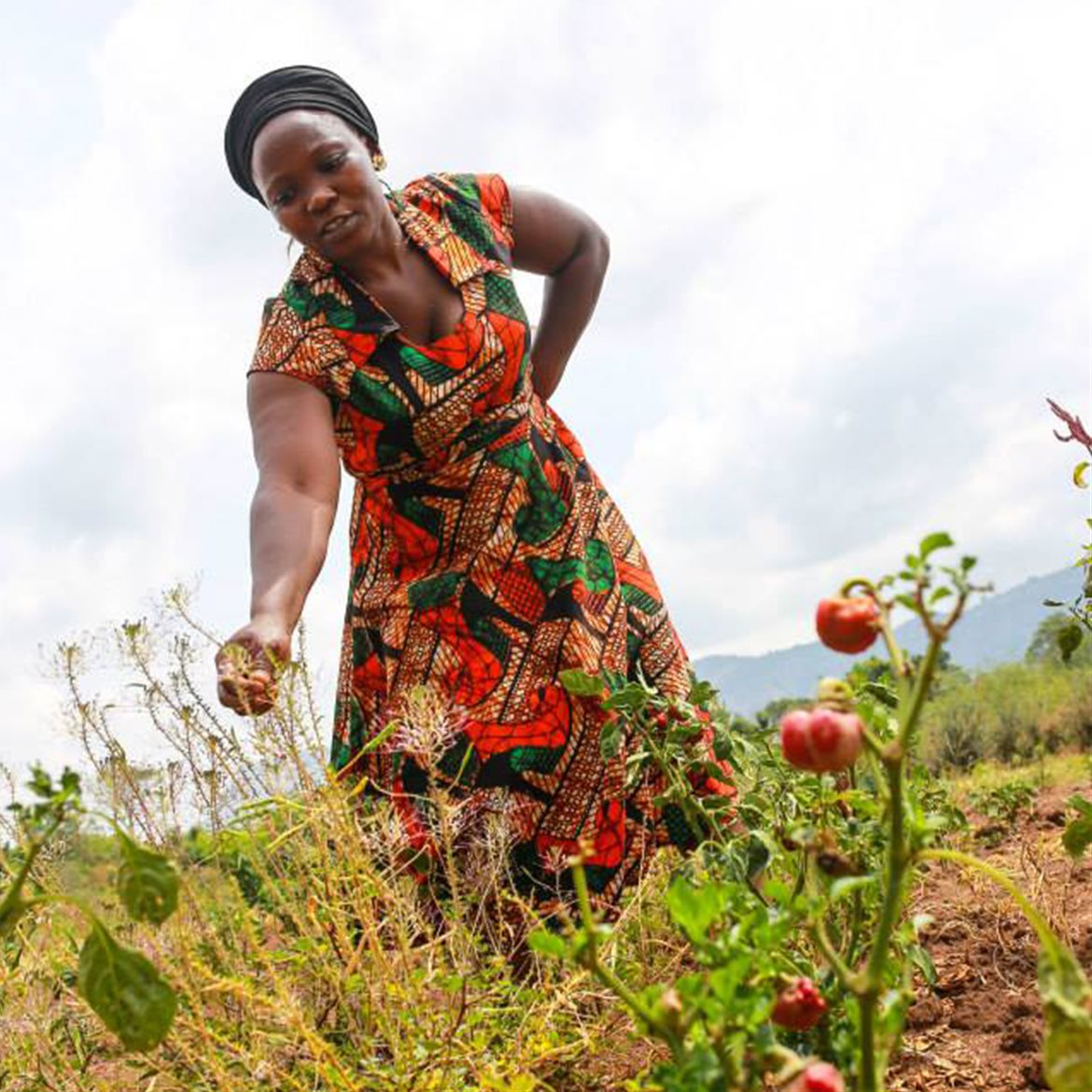
The Savings and Producer Groups (SPG) Programme strengthen financial inclusion and food security by empowering communities to farm collectively, adopt climate-smart practices, and lead local food security initiatives.
Members gain skills, build resilience, and create sustainable livelihoods. This improves yields, builds resilience to climate change, and ensures food security.
Country Office
Uganda
Strømme Foundation Uganda Office
Plot 15, Naguru Vale Road
P. O. Box 27200 Kampala
Uganda
Phone: +256 414 532 844
E-mail: [email protected]
Country Director

Dinah Morgan
Our Partnerships
We achieve our goals by collaborating with local and international partners, government bodies, and NGOs.
These partnerships amplify our impact, ensuring that resources are used effectively and efficiently to drive sustainable change. Transparency, accountability, and community ownership are at the core of everything we do.
We invite like-minded partners to join us in this transformative journey, whether through strategic collaborations, resource sharing, or volunteer efforts to build a more inclusive, resilient, and prosperous future for Uganda.